We continue to discover and get to know better the supporting organizations that decided to join the #CreaSusCommunity. Through this interview series, we aim to better understand who they are, what they do, and how they approach sustainability within their daily work and long-term strategies. Follow #CreaSusCommunity to learn more about the organisations that decided to embark with us on a journey towards sustainability.
The organisation we introduce this time is Fundación Camino Lebaniego, a public sector entity responsible for the protection, promotion, and management of the historic pilgrimage routes crossing Cantabria, including the Camino Lebaniego and the Camino de la Costa, part of the Caminos del Norte a Santiago, recognised as UNESCO World Heritage. Through heritage conservation, cultural programming, and tourism infrastructure development, the foundation works to revitalise rural areas while safeguarding both tangible and intangible heritage. By joining the CreaSus project, Fundación Camino Lebaniego seeks to professionalise and structure its sustainability assessment, aligning its destination management strategy with European frameworks such as the European Green Deal and the New European Bauhaus, and strengthening its commitment to environmentally responsible, socially inclusive, and economically resilient cultural tourism.
What is the core business of your organization?
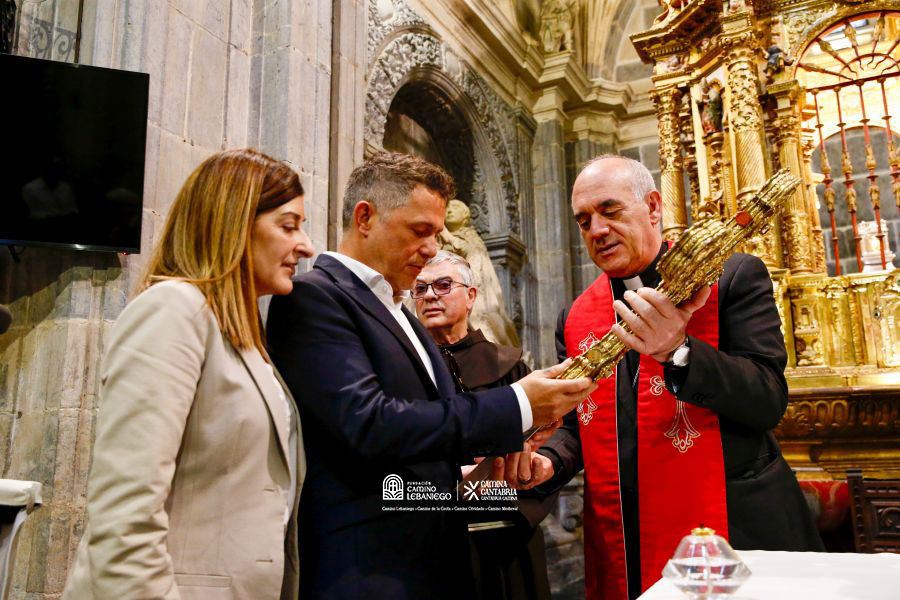
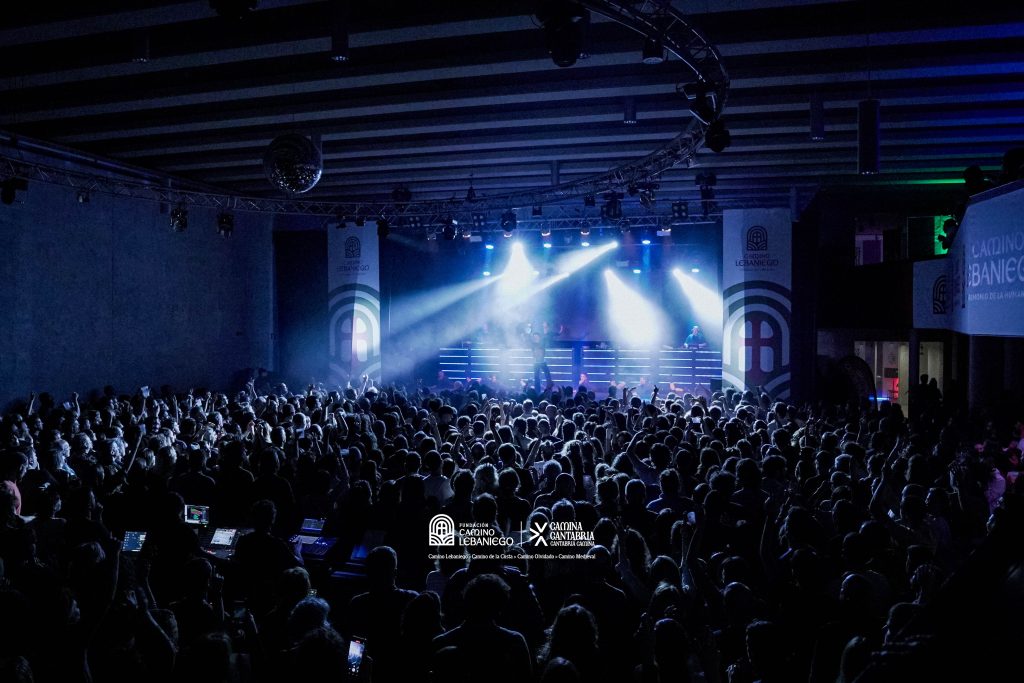
The Fundación Camino Lebaniego is a public sector organization dedicated to the protection, promotion, and management of the historical pilgrimage routes crossing Cantabria, specifically the Camino Lebaniego and Camino de la Costa which belongs to the Caminos del Norte a Santiago (UNESCO World Heritage since 2015). Our core mission focuses on the holistic revitalization of rural areas in Cantabria. We coordinate cultural programming, heritage conservation (both material and intangible), and tourism infrastructure development in pilgrimage routes. By designing and programing culturals events in rural areas , we aim to bridge the gap between historical tradition and modern regional development, ensuring that the pilgrimage experience remains a high-quality cultural asset for both locals and visitors.
What role does sustainability play in the activities of your organization?
Sustainability is one of the fundamental pillars of our management model. In our territory, cultural tourism acts as a vital tool for rural revitalization and combating depopulation. Our approach integrates environmental sustainability—protecting the natural landscapes and biodiversity—with social and economic sustainability. We prioritize the circular economy by promoting local products and services along the routes. Furthermore, our cultural programming is designed to respect the carrying capacity of our villages, fostering “slow tourism” that preserves our intangible heritage and traditional ways of life. We apply sustainable criteria in our event production and public procurement, ensuring that culture remains a renewable resource for the community.


Why did you decide to take part in the CreaSus Project?
We decided to join the CreaSus project because we recognized an urgent need to professionalize the assessment of sustainability within the Cultural and Creative Industries (CCIs) in Cantabria. Managing cross-regional pilgrimage routes requires a sophisticated framework to measure our impact beyond simple visitor numbers. The CreaSus self-assessment tool provided a structured methodology to evaluate our internal processes and cultural offerings. By participating, we aim to align the Camino Lebaniego’s strategy with the European Green Deal and the New European Bauhaus, ensuring our organization stays at the forefront of international cultural management trends while sharing our unique rural perspective with a wider European network.
What outcomes and added value do you expect CreaSus will provide for your organization?
We expect CreaSus to provide us with actionable data and a roadmap to improve the ecological footprint of our cultural events and pilgrimage logistics. The main added value lies in the exchange of best practices with other European entities, which will help us refine our technical planning and public-private collaborations. We anticipate that the project will enhance our capacity to design more inclusive and resilient cultural programs, ultimately making the Camino Lebaniego a benchmark for sustainable destination management. Furthermore, the visibility through the project’s network allows us to showcase the cultural richness of Cantabria to a specialized international audience, attracting high-value cultural tourism.